Tag: Rita Ferrone
-

National Liturgy Music Conference
EDITOR — The National Liturgy and Music Conference recently brought together more than 350 pilgrims from across Australia and the South Pacific in Adelaide.
-
Podcasts: ACU’s Speaking of Liturgy
EDITOR — Rita Ferrone outlines the significance of the Order of Christian Initiation of Adults (the RCIA), and how it has a ripple effect that goes beyond the catechumens in the parish.
-
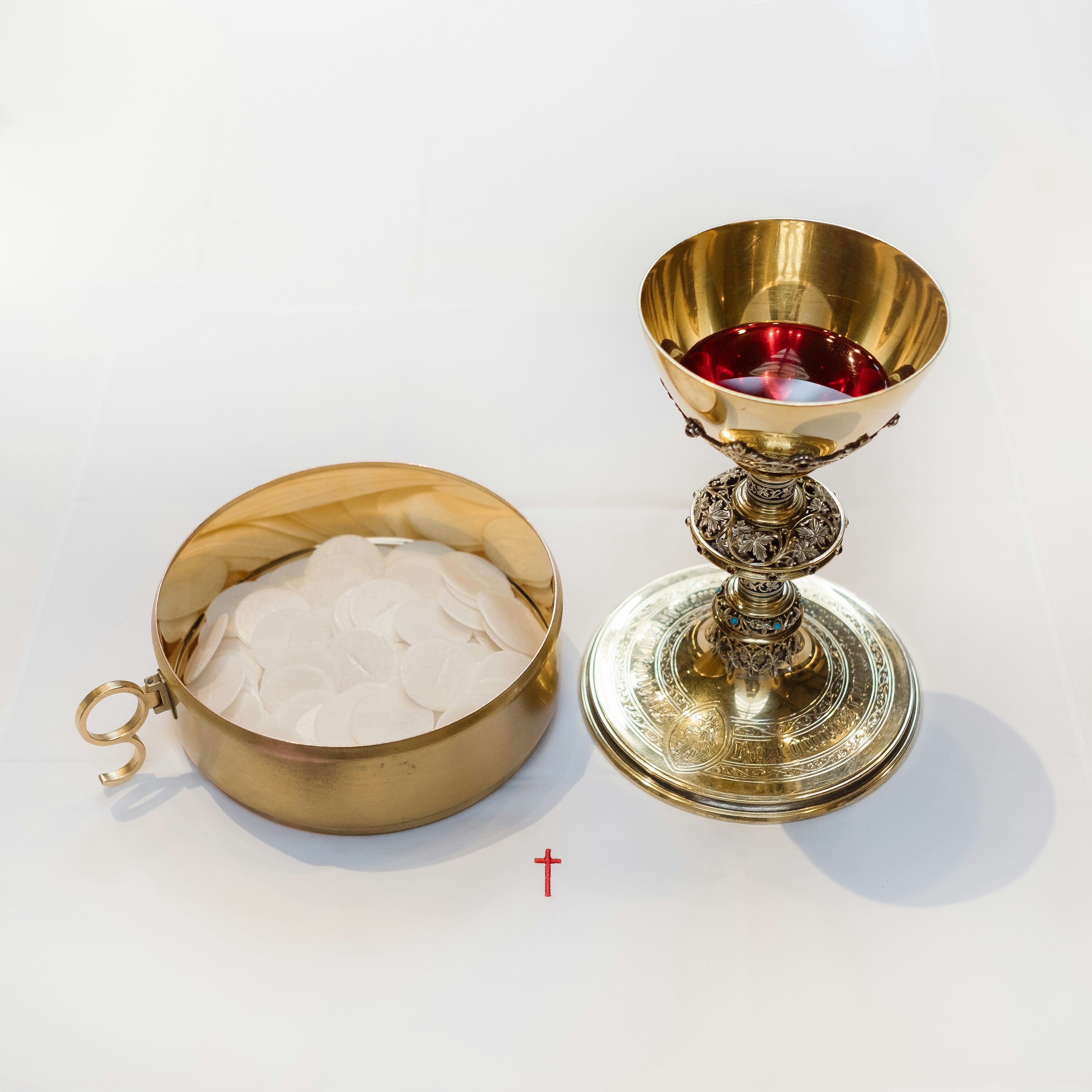
Are the U.S. Bishops downplaying the Paschal Mystery?
RITA FERRONE — “If the bishops think that the concept of the Paschal Mystery doesn’t fit neatly into the Eucharistic piety that predated the Council, they are right.”
-

Online Lecture by Rita Ferrone on Desiderio desideravi
Pope Francis approaches the liturgy, as he does the moral life, with an eye toward reawakening apostolic fervor.
-
The Future of Vatican II Liturgical Renewal
What is the state of Vatican II-inspired liturgical renewal today? What healthy developments might we look forward to in the future? What are the “idols” we must do battle with, in order to worship the one true God? What are the wellsprings of hope that give us courage for the journey?
-
Pray Tell’s own coming to CNN October 13th!
One of Pray Tell ’s contributors, Rita Ferrone, will appear on CNN.
-
Thanks, Rita / awr is back
Huge thanks to Rita for her capable moderation of Pray Tell the past month.
-
Rita Ferrone at the Helm of Pray Tell
Rita is well known in these parts. We give her a warm welcome as she moderates the blog for the coming month. Address all correspondence to her.
-
All Together Now? Catholic Unity and the Liturgy
Fifty years after the promulgation of the Constitution on the Sacred Liturgy, some assert that this unity is textual. But is the unity of the Roman Rite really about having a single text? Textual unity was not what the fathers of the Council chiefly had in mind when they made the landmark decision to opt…