Category: Inculturation
-

Development of the Missa Terra Spiritus Sancti – Mass of the Land of the Holy Spirit
CARMEL PILCHER — Fr. Kevin McKelson was conscious that the government of the day required him to “civilize the natives,” while his task as church leader was to “convert” them to the faith. But how could he do either of these without violating the local culture?
-
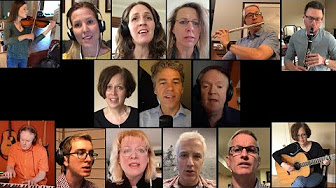
Retrospectives on Composing for the Church’s Worship, Part 4
MICHAEL JONCAS — I awoke from a deep sleep sometime ca. 2 AM early that March with a single line of text and melody in my mind: “The way ahead is dark and difficult to see.”
-
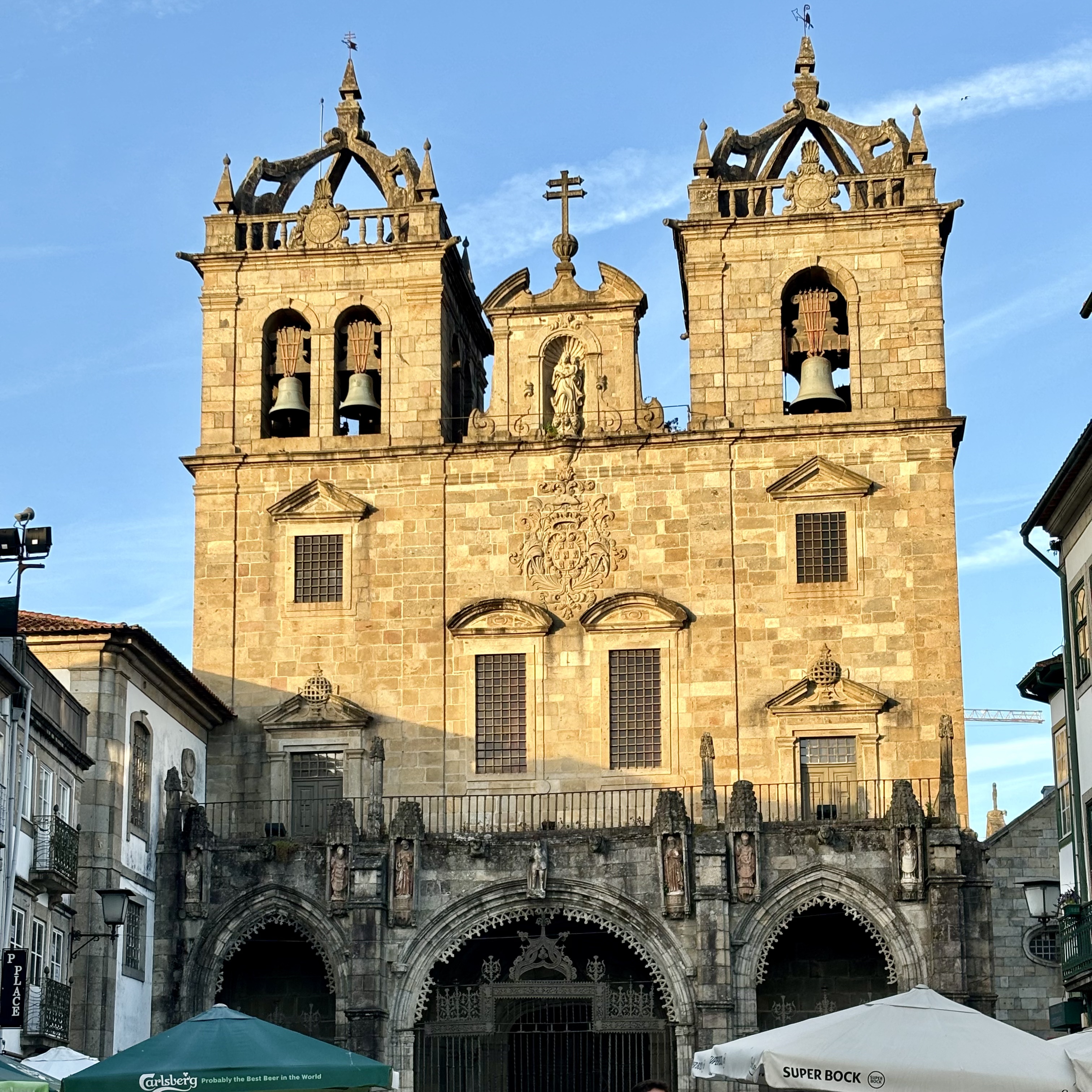
Braga and the “opus perfectum” of the Roman Missal of Paul VI
NEIL XAVIER O’DONOGHUE — The Use of Braga was not abolished after the Council; priests of Braga were still allowed to celebrate in the Use.
-
Podcasts: ACU’s Speaking of Liturgy
EDITOR — Mark Francis, CSV highlights how recent Church documents have addressed liturgy and culture.
-

Amen Corner: Is Liturgy Simply “a Given” in a Synodal Church?
CARMEL PILCHER — “A comprehensive liturgical renewal—one that includes all the baptized, the Body of Christ—is urgent.”
-

Pentecost as a birthday party???
LIZETTE LARSON — In recent weeks I’ve seen quite a few diocesan newsletters, Christian formation suggestions, and popular ‘liturgy tips’ advocating for a festive parish celebration of Pentecost.
-

Synod calls for … another English translation…
EDITOR — Another translation in English? What language shall we borrow?
-
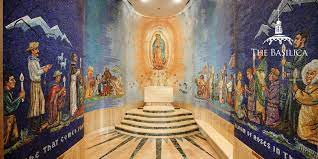
Addendum to “New English-language Hymns for the Feast of Our Lady of Guadalupe”
Since my recent posting about two English-language hymns for the feast of Our Lady of Guadalupe that appear in The Divine Office Hymnal (2023), Stephen Kasperick-Postellon, the music director-liturgist at St. Paul’s Benedictine Monastery in Oakdale, MN, has provided a great deal of information that I had not been able to find prior to the…
-
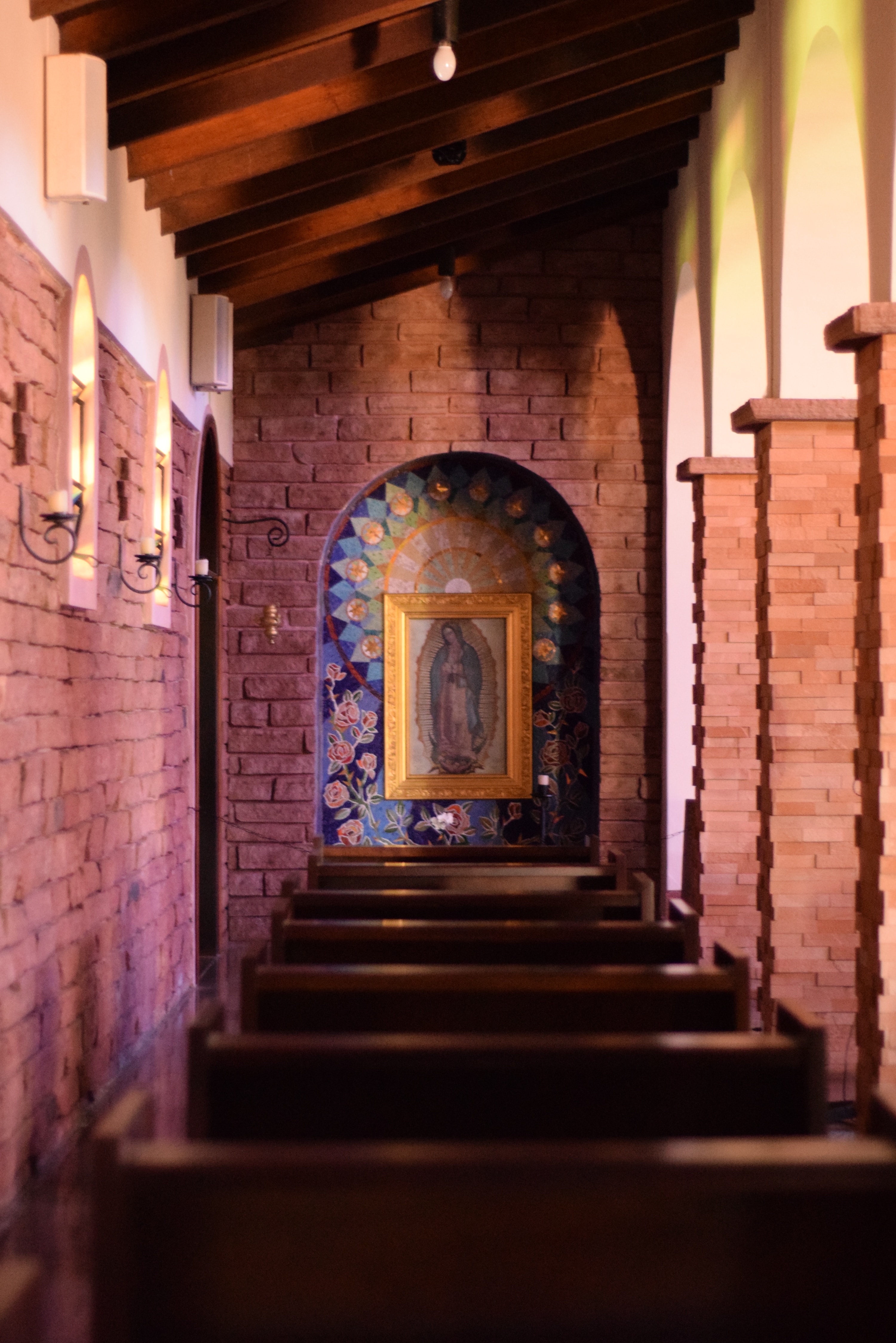
New English-language Hymns for the Feast of Our Lady of Guadalupe
One of the happy surprises contained in the new Divine Office Hymnal (Chicago, IL: GIA Publications, Inc, 2023) is the inclusion of two English-language hymns intended for use on 12 December, the feast of Our Lady of Guadalupe in the USA. Almost all the hymns in this publication are translations from Latin originals, usually set to both metrical-chorale…