Category: Eastern Liturgy
-

Thy Bridal Chamber: Holy Week in the Orthodox Church
NICHOLAS DENYSENKO — Participating in Holy Week is deepening our communion in the Lord, in his love.
-
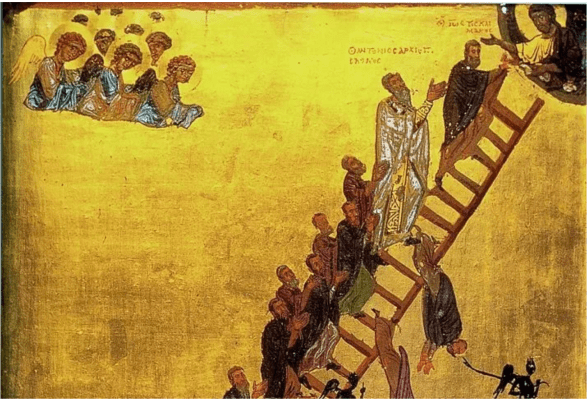
Dancing through Lent in Steadfastness and Hope
TEVA REGULE — The process of becoming God-like—for instance, to see the world as God sees it, to have mercy as God has mercy, and to love as God loves—is not linear.
-

Time of Troubles, Then and Now: Nicaea’s Confession “True God of True God”
NICHOLAS DENYSENKO — This anniversary of the council of Nicaea reminds us that its core message is not and was never about some messianic age that would be manifest in a particular empire, country, political party, or leader.
-
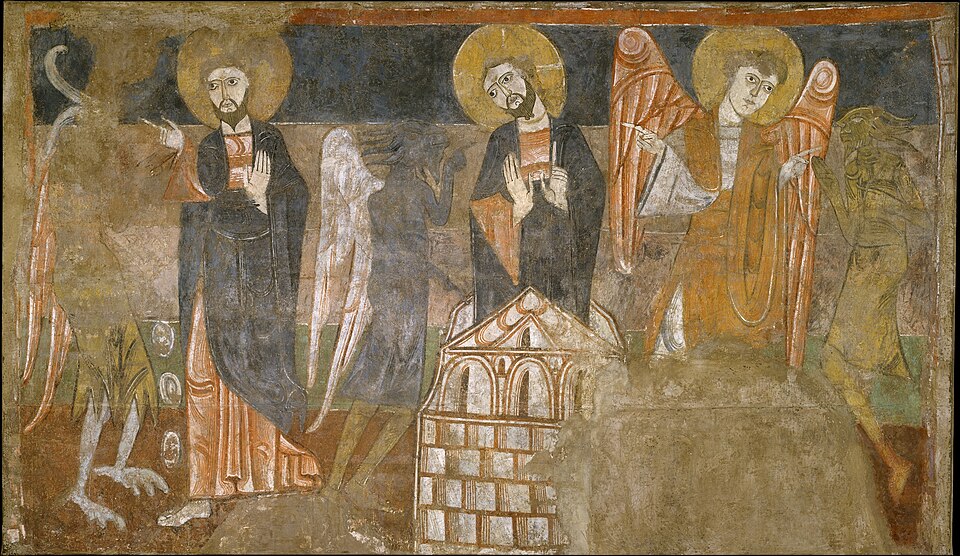
Lent, Gluttony, and Lust
NICHOLAS DENYSENKO — The fulfillment put into us, that we seek, comes only from God and cannot be found in the world.
-
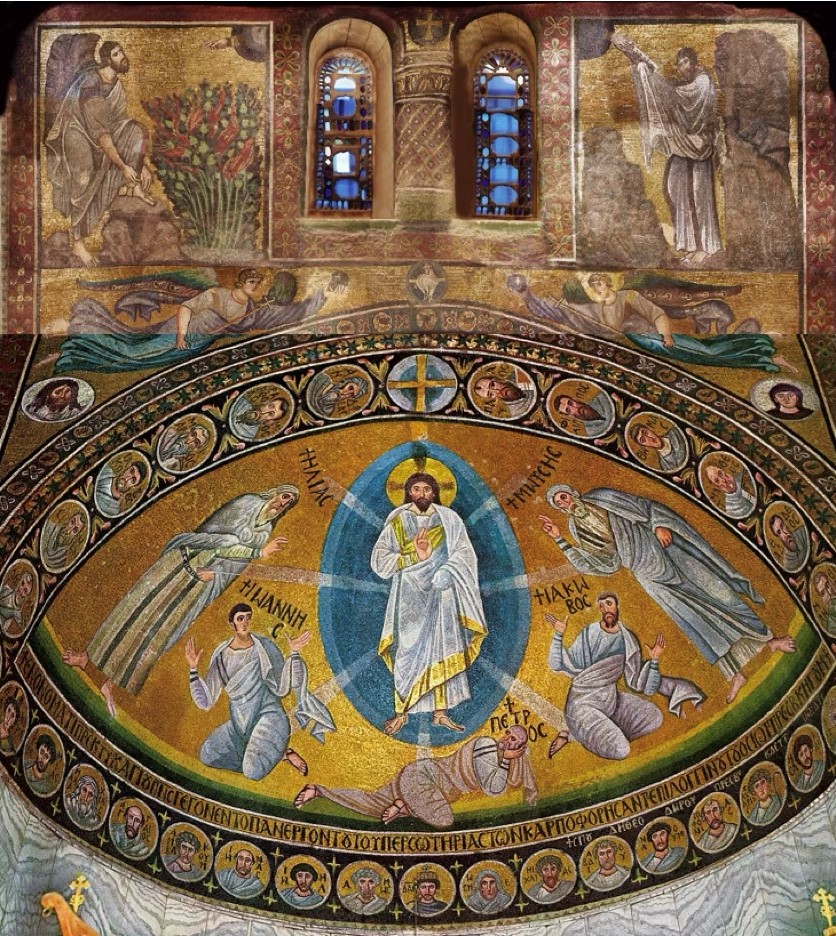
Preaching as Real Encounter: Part III
LUCAS CHRISTENSEN — For these preachers, the liturgical celebration with its ritual of anamnesis has, in fact, made them participants in the vision of Christ’s divine light. Our ritual even today, with its art, movement, and hymnody brings us into the same real participation.
-
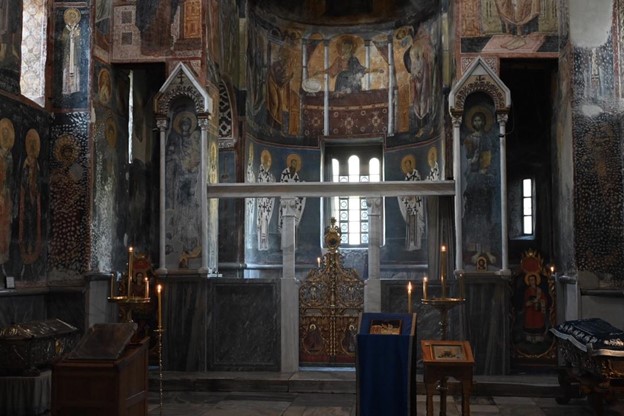
Preaching as Liturgical Art: Part I
LUCAS CHRISTENSEN — The point of the image is encounter. This sacred art is meant not merely to instruct the faithful (pace Gregory the Great), but it facilitates communion. This is true of all the liturgical arts—they are all forming an encompassing, diachronic and synchronic image of heavenly worship.
-

Our Gift to Christ
NICHOLAS DENYSENKO — It seems, however, that our song is all too often mere lip service to what we want to be true – that God sent Christ into the world to validate the political philosophies and kingdoms of our construction.
-

Amen Corner: Orthodoxy’s Kryptonite
With the approach of Orthodox Pascha, Pray Tell’s Nicholas Denysenko offers pointed words on the relationship between Orthodoxy and the ongoing war in Ukraine in this quarter’s Amen Corner.
-
In This Issue: Ex Fonte 1 (2022)
Features explore ḥūḏrā of the Assyrian Church of the East, Carthusian stole practice as a potential model for women in the diaconate, the funerary rituals of E II R, and much more!