Category: Recently Published Books
-
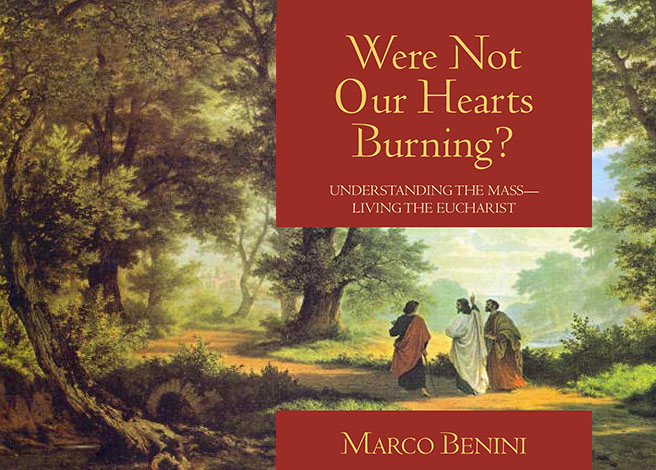
Newly Translated Excerpt from Fr. Benini’s Latest Book
FR. MARCO BENINI — The Mass begins at home, with the longing call of God and with the fact that we set out on our journey.
-
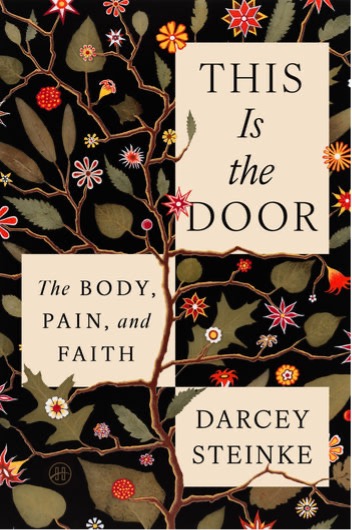
Brief Book Review: This is the Door
MICHAEL PLEKON — We all would benefit from Darcey Steinke’s wonderful mosaic of the human experience of the body, pain and faith.
-

The Sunday of the Word of God
RITA FERRONE — In 2019, through his motu proprio Aperuit illas, Pope Francis established the Third Sunday in Ordinary Time as the Sunday of the Word of God.
-

Book Review: When Church Stops Working
A specially designed, shorter text, aimed at reaching ordinary people, clergy as well as lay, in serious reading and reflection on the local church, namely the parish.
-
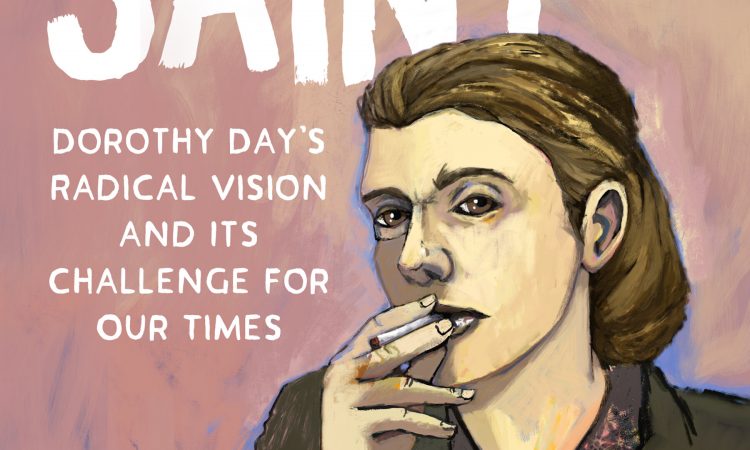
Book Review: Unruly Saint
One of most passionate accounts of Dorothy’s great love for Christ and for the suffering sister and brother before us.
-

Brief Book Review: Historical Foundations of Worship
A common basis for the study of liturgical history that can be appreciated by readers of any Christian tradition.
-

Brief Book Review: Guide for Forming a Parish Bereavement Ministry
A concrete example of how to do liturgical/sacramental theology with the Church’s rites as a starting point, and how to incarnate that theology in the spiritual life of the parish and its members.
-

Brief Book Review: Imagining Our Neighbors As Ourselves
To the degree that we can see ourselves reflected in particular characters, we can begin the work of engaging with their stories to critique our own way of being.
-

Book Review: Intercultural Marriage
Theologically speaking, the process of interculturality is revelatory of the Church’s understanding of the sacramental union, which reconciles, heals, and unites the barriers created by differences.